
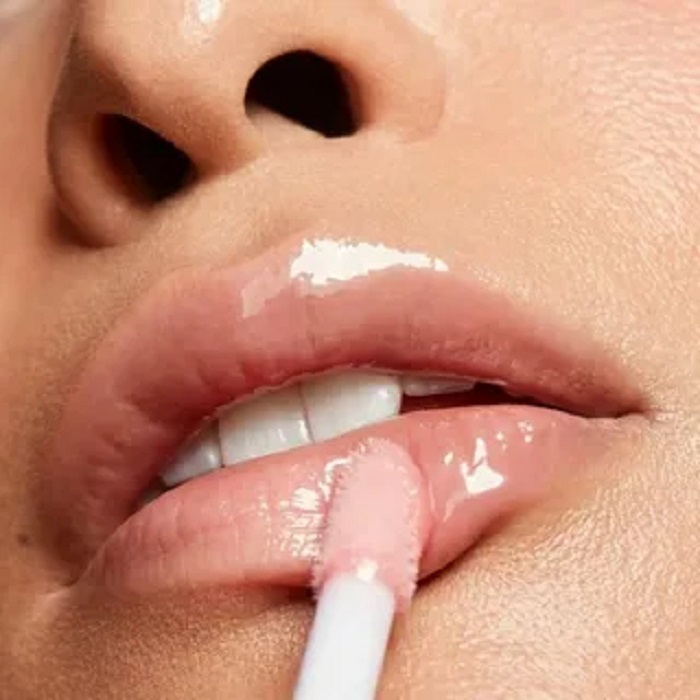
Dual-chamber lip gloss tubes contain two separate product compartments within one package. The design allows brands to combine two colors, finishes, formulas, or treatment steps without mixing them before use.
This packaging format can create a distinctive customer experience and make a product stand out in a crowded beauty market. However, it is more complex than a conventional single-chamber tube and requires careful attention to component design, formula compatibility, filling, applicators, and quality control.
Understanding how the system works helps buyers determine whether the added functionality justifies the cost and production requirements.
How Dual-Chamber Packaging Works
A dual-chamber package typically contains two separate bottles or compartments connected through one central cap or decorative body.
Some designs place the chambers side by side. Others position them at opposite ends of the package. Each chamber may have its own stem, wiper, and applicator.
The two formulas remain physically separated until the customer applies them. They may be used individually, layered together, or blended on the lips.
The package can contain equal volumes in both chambers or allocate more space to the formula expected to be used more frequently.
Common Product Concepts
Dual-chamber formats support several product ideas.
One side may contain a pigmented gloss, while the other contains a clear topcoat. A lip color can be paired with a hydrating oil or plumping treatment.
Brands may also combine daytime and nighttime formulas, two complementary shades, matte and gloss finishes, or color and care products.
Another possibility is a base product and a shimmer topper. Keeping the formulas separate allows customers to adjust the final appearance.
The concept should be easy to understand. A complicated application process may reduce consumer interest even when the packaging looks innovative.
Container and Component Design
Each chamber needs its own compatible wiper and applicator system.
The package may use two doe-foot tips, two brushes, two silicone applicators, or different tips for each formula. For example, a color product may use a flocked applicator, while a treatment oil uses a smooth silicone tip.
The stems must reach the bottom of their chambers without pressing against the internal walls. Caps and threads must remain properly aligned so that both sides close securely.
Compared with conventionallip gloss tubes, dual-chamber packaging has more sealing points and component interfaces. Each additional point creates another area that must be inspected for fit and leakage.
Formula Compatibility
The two formulas must be tested separately with their respective chambers, wipers, stems, and applicators.
A thick pigmented gloss may require a wider wiper opening than a lightweight lip oil. Using identical wipers on both sides may therefore produce inconsistent pickup.
Ingredients can also affect packaging materials and decoration. Oils, fragrances, and solvents may cause stress cracking, swelling, or coating damage.
Even though the formulas remain separated inside the package, buyers should test how they behave when layered or mixed during use. Changes in texture, color, stability, or sensory feel may affect the customer experience.
Filling Requirements
Dual-chamber tubes require a more complicated filling and assembly process than standard packaging.
Each compartment must receive the correct formula and fill weight. The filler must prevent cross-contamination and keep the neck area clean before inserting the wiper and applicator.
Production may involve two filling stages or separate equipment settings. The package must remain stable and correctly oriented during both operations.
A pilot filling run is strongly recommended. It can reveal problems involving container handling, fill accuracy, wiper insertion, capping, leakage, and line speed.
Brands should confirm that their contract filler has experience with multi-chamber cosmetic packaging.
Advantages for Beauty Brands
The primary advantage is product differentiation. Two formulas in one package can create a stronger shelf presence and offer more perceived value.
Dual-chamber packaging also supports customization. Consumers can use one product, the other, or combine both according to the desired finish.
The format may reduce the need to carry two separate packages and can support gift sets, limited editions, and influencer-focused launches.
From a marketing perspective, the package gives brands more opportunities for demonstrations, tutorials, and visual content.
Limitations and Costs
Dual-chamber packaging uses more components and may require more material than a standard tube. This increases manufacturing, assembly, packing, and freight costs.
The design may also have a higher MOQ, especially when custom colors or exclusive molds are required.
More components create more inspection points. A problem with one chamber can make the complete unit unusable.
The package may be heavier or larger than two standard products with the same total fill volume. Brands should compare carton efficiency and landed cost before approving the concept.
Decoration and Branding
The two chambers can use matching colors, contrasting formulas, separate labels, or coordinated graphics.
Designers must make it clear which formula is contained on each side and how the products should be used. Directional icons or brief instructions may improve usability.
Decoration should be tested for scratches because dual-ended packages may rub against dividers, trays, or other units during shipping.
Final Sourcing Checks
Before ordering, buyers should confirm chamber capacities, component materials, applicator types, wiper sizes, filling procedures, MOQ, tooling, decoration, testing requirements, and replacement policies.
Dual-chamber lip gloss tubes can turn two related formulas into a distinctive product concept. Their success depends on clear consumer value, compatible formulas, precise component matching, and a filling process capable of handling the added complexity.